





On June 2, 2026, the U.S. Food and Drug Administration issued an emergency revision notice requiring all Cytotoxic Isolators imported into the United States to provide a whole-unit air-tightness test report issued by a certified third-party laboratory, with a leakage rate of no more than 0.5% per hour. The update deserves attention from equipment exporters, importers, manufacturers, testing service providers, and GMP-related users because it directly affects import release, compliance preparation, operator safety requirements, and delivery timelines.
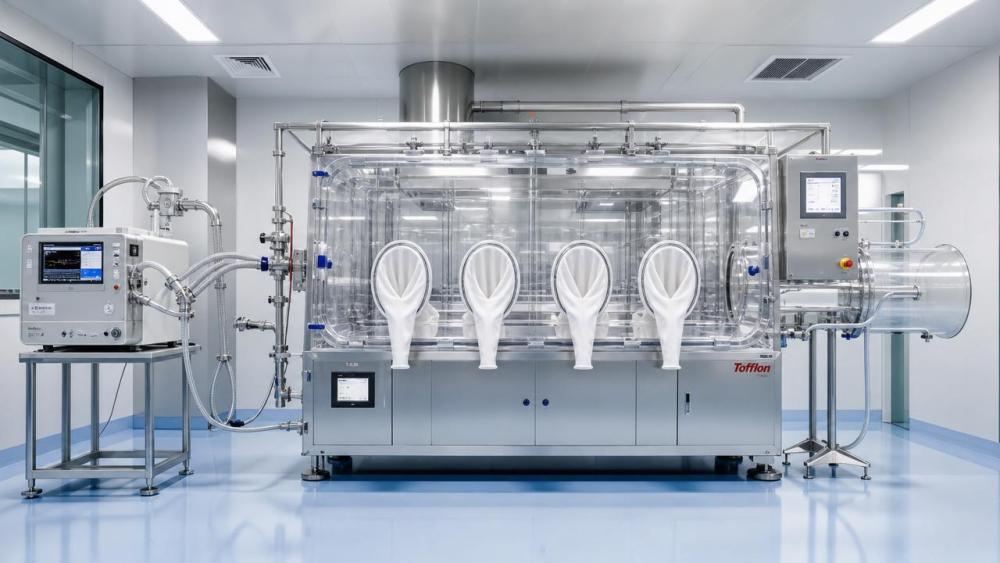
Event Overview
According to the information currently available, the FDA released an emergency revision notice on June 2, 2026. The notice requires all Cytotoxic Isolators imported into the U.S. market to pass a whole-unit air-tightness test before release.
The required test report must be issued by a certified third-party laboratory. The stated leakage rate threshold is no more than 0.5% per hour. Products that do not provide the required test report will not be released for import.
The publicly disclosed information also indicates that the requirement is directly connected with GMP compliance and operator safety. It will affect export access procedures and delivery cycles for global suppliers shipping Cytotoxic Isolators to the United States.
Which Industry Segments Are Affected
Direct Importers and Export Trading Companies
Importers and export trading companies are likely to be affected first because the new requirement is tied to import release. If the required third-party whole-unit air-tightness test report is missing, the product will not be cleared for entry into the U.S. market.
From an industry perspective, the main impact is not limited to document preparation. It may also involve order scheduling, shipment timing, customs coordination, and communication with downstream buyers. Companies handling U.S.-bound Cytotoxic Isolators need to verify whether each shipment has a compliant test report before export or import procedures begin.
Cytotoxic Isolator Manufacturers and Global Suppliers
Manufacturers and global suppliers will face a more direct compliance preparation burden. The requirement applies to the whole unit, rather than a general component-level statement. This means suppliers need to ensure that the specific finished equipment intended for import can support a third-party air-tightness test report meeting the stated leakage-rate threshold.
Analysis shows that the new rule may influence production release checks, factory acceptance preparation, documentation workflows, and delivery commitments. For suppliers serving the U.S. market, the test report may become a necessary condition in the export access process rather than an optional supporting document.
Purchasing Organizations and GMP-Related Users
Organizations purchasing imported Cytotoxic Isolators for GMP-related operations should pay attention because the FDA update links the import requirement with GMP compliance and operator safety. If equipment is delayed at import release due to missing documentation, project schedules and installation planning may be affected.
What deserves closer attention now is the connection between procurement specifications and regulatory documentation. Buyers may need to confirm at the purchasing stage whether suppliers can provide a certified third-party whole-unit air-tightness test report that meets the required threshold.
Third-Party Testing Laboratories
Certified third-party laboratories may see increased demand for whole-unit air-tightness testing related to Cytotoxic Isolators imported into the United States. The requirement specifically refers to reports issued by certified third-party laboratories, making the laboratory qualification and report scope important.
Observably, testing service providers should focus on whether their certification status, test methods, report language, and documentation format can support the needs of import release. However, based on the currently available information, further official details on implementation format should continue to be monitored.
Supply Chain and Logistics Service Providers
Supply chain and logistics service providers may be affected through shipment readiness and customs release coordination. If the required test report is not prepared before shipment, the risk of release delay may increase.
From an industry perspective, the key impact is on pre-shipment verification. Logistics teams handling U.S.-bound Cytotoxic Isolators may need to add the air-tightness report to their document checklist and communicate earlier with importers, exporters, and testing parties.
What Companies and Practitioners Should Watch and How to Respond
Track Further Official Statements and Implementation Details
Companies should continue to monitor FDA communications related to this emergency revision notice. The currently available information confirms the effective requirement, the testing threshold, the need for a certified third-party laboratory report, and the consequence of non-release.
What deserves closer attention now is whether the FDA provides further clarification on report format, applicable documentation language, acceptance procedures, or transitional handling. These details may influence how companies prepare documents for actual import release.
Review U.S.-Bound Orders and Shipment Readiness
Enterprises involved in U.S.-bound Cytotoxic Isolator orders should review current and planned shipments. The review should focus on whether a whole-unit air-tightness test report is already available, whether the issuing laboratory is certified, and whether the leakage-rate result meets the threshold of no more than 0.5% per hour.
Analysis shows that the most practical response is to move the documentation check earlier in the order cycle. Waiting until customs release may increase the risk of shipment interruption or delivery delay.
Separate Policy Signals from Business Execution
It is more appropriate to understand this update as an import compliance requirement that has immediate operational consequences, rather than only as a general regulatory signal. The available information states that products without the required report will not be released.
At the same time, companies should avoid overextending the interpretation beyond the disclosed facts. Current actions should be centered on the confirmed requirement: certified third-party whole-unit air-tightness testing, the specified leakage-rate limit, and import release documentation.
Align Procurement, Testing, and Delivery Communication
Procurement teams, suppliers, testing laboratories, and logistics service providers should align timelines before shipment. For ongoing orders, companies should confirm who is responsible for arranging the test, when the report will be issued, and whether the report will be available before import procedures begin.
From an industry perspective, the new requirement may make documentation coordination a critical part of delivery management. Clear communication between buyer and supplier can reduce uncertainty around release timing and compliance readiness.
Editor’s View / Industry Observation
Observably, this FDA update raises the compliance threshold for Cytotoxic Isolators entering the U.S. market by making whole-unit air-tightness testing a release condition. Because the requirement is linked with GMP compliance and operator safety, it affects both regulatory documentation and practical supply chain execution.
Analysis shows that the update is not merely a market signal. Based on the disclosed information, it has already become an immediate import release requirement. However, the details of how companies should format, submit, and coordinate related documentation may still require continued observation if further official guidance is issued.
From an industry perspective, the companies most affected are those with active or planned U.S.-bound Cytotoxic Isolator shipments. The key issue is whether they can demonstrate compliant whole-unit air-tightness performance through an accepted third-party report before import release.
Conclusion
The FDA’s June 2, 2026 emergency revision notice gives air-tightness testing a central role in the import access process for Cytotoxic Isolators entering the United States. Its industry significance lies in the direct connection between testing documentation, GMP compliance, operator safety, and shipment release.
It is more appropriate to understand this update as an immediate compliance requirement with supply chain implications, rather than as a broad industry commentary. Companies should respond by verifying affected products, preparing certified third-party test reports, and closely following any further FDA clarification.
Information Source Statement
Main source: U.S. Food and Drug Administration emergency revision notice dated June 2, 2026, as described in the provided event information.
Items requiring continued observation: any subsequent FDA clarification on report format, implementation procedures, accepted documentation requirements, and operational handling during import release.