





Choosing pharmaceutical R&D equipment without matching process needs, compliance expectations, and future scale-up can quietly delay development. Small specification gaps often become large project problems.
In biopharma programs, instrument selection affects data integrity, installation timing, validation workload, workflow efficiency, and technology transfer. A poor fit may not fail immediately, but it often slows milestones later.
For laboratories, pilot teams, and integrated development sites, the real risk is cumulative. One wrong purchase can trigger software incompatibility, utility redesign, operator retraining, and repeat qualification.
This article explains the most common selection mistakes, why they matter, and how to build a more reliable decision path for pharmaceutical R&D equipment across discovery, process development, and preclinical scale-up.
What pharmaceutical R&D equipment selection really covers
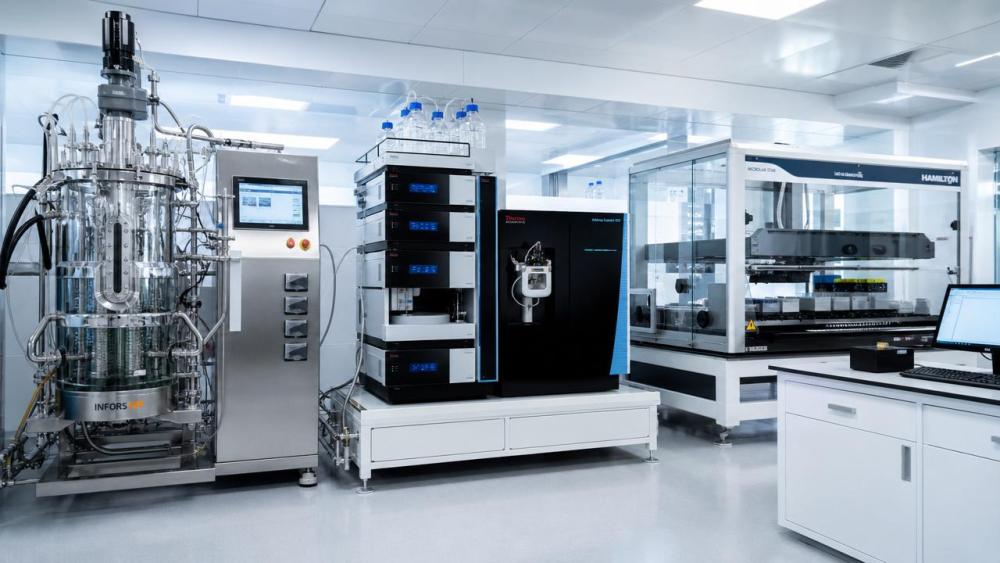
Pharmaceutical R&D equipment includes far more than core instruments. It also involves software, automation interfaces, consumables, utilities, cleanability, calibration paths, and documentation readiness.
In modern life science settings, selection decisions often span bioreactors, centrifuges, LC-MS systems, biosafety cabinets, clean benches, and liquid handling workstations.
Each tool sits inside a wider process chain. If one instrument cannot connect operationally or digitally, the whole chain may lose speed, traceability, or reproducibility.
That is why pharmaceutical R&D equipment selection should not be reduced to unit price, brand familiarity, or isolated performance claims.
The five decision dimensions
- Process fit with current experimental design
- Compliance fit with GMP, CSV, and data integrity expectations
- Scale-up fit between research, pilot, and production environments
- Integration fit with LIMS, MES, ELN, and automation platforms
- Lifecycle fit covering maintenance, training, and consumable supply
Current industry signals shaping equipment decisions
Life science programs now move faster, yet compliance expectations remain strict. This makes pharmaceutical R&D equipment decisions more strategic than before.
Cell and gene therapy pipelines, single-use adoption, automated laboratories, and digital validation are all changing what “fit-for-purpose” actually means.
These signals explain why many project delays come from selection assumptions, not from scientific failure alone.
Common pharmaceutical R&D equipment selection mistakes
The most damaging mistakes are usually rational at first glance. Problems appear later, when equipment enters qualification, method transfer, or cross-functional use.
Mistake 1: Buying for peak specifications, not process reality
A higher specification does not always improve results. Oversized or overcomplex systems may create slower setup, harder maintenance, and unnecessary validation burden.
Mistake 2: Ignoring scale-up continuity
Some early-stage tools produce useful data but offer poor comparability with pilot or GMP environments. This weakens process transfer and increases redevelopment risk.
Mistake 3: Underestimating software and data architecture
Many teams focus on hardware performance first. Later, they discover weak audit trails, limited user permissions, or difficult integration with laboratory information systems.
Mistake 4: Treating compliance as a later phase
CSV readiness, electronic records, calibration protocols, and supplier documentation should be reviewed before purchase, not after delivery.
Mistake 5: Forgetting utilities and facility constraints
Footprint, HVAC interaction, power quality, compressed gases, drainage, and vibration tolerance can all affect deployment timing.
Mistake 6: Overlooking consumables and service risk
A reliable instrument can still delay a project if critical filters, tubing sets, probes, columns, or seals are hard to source.
Mistake 7: Selecting without operator workflow review
If users need too many manual steps, handoffs, or adjustments, variability rises and throughput falls. Good equipment should reduce friction, not add it.
Why these mistakes delay projects in practice
Selection errors create hidden work. The delay usually comes from extra coordination, repeated tests, and corrective actions across several teams.
- Engineering must revise layouts or utilities
- IT must solve connectivity or cybersecurity gaps
- Quality must request additional documentation
- Scientists must adapt methods or acceptance criteria
- Operations must retrain users and update SOPs
For pharmaceutical R&D equipment, delay cost is not only financial. It can affect data comparability, filing schedules, material availability, and confidence in generated results.
Representative equipment categories and typical risk points
This category view helps translate general selection advice into practical review criteria for pharmaceutical R&D equipment.
A more reliable decision framework
A stronger selection process starts before vendor comparison. It begins with a structured definition of process, compliance, and lifecycle needs.
Recommended evaluation sequence
- Define critical process parameters and data outputs
- Map user requirements to facility and digital infrastructure
- Review compliance expectations, including CSV and audit trail needs
- Check consumables, service coverage, and lead time resilience
- Run a workflow-based technical assessment, not only a specification review
- Evaluate scale-up relevance and transferability of generated data
This framework reduces the chance that pharmaceutical R&D equipment becomes a local solution with downstream consequences.
Practical selection checks before final approval
- Request example validation documents and software architecture details
- Confirm spare parts availability across the expected lifecycle
- Verify calibration methods, frequency, and acceptable tolerances
- Test sample workflow under realistic throughput conditions
- Review alarm handling, user access levels, and data export formats
- Check whether installation requires hidden facility modifications
- Assess training demands for routine and exception handling
These checks are especially valuable when evaluating advanced pharmaceutical R&D equipment in biologics, CGT, and automated analytical environments.
Next-step focus for better project continuity
Better equipment decisions come from connecting science, quality, engineering, and digital requirements at the start. That alignment prevents expensive corrections later.
For teams reviewing pharmaceutical R&D equipment, the most useful next step is a gap-based assessment. Compare intended use, compliance needs, workflow reality, and future scale-up plans.
When selection is treated as a process decision rather than a purchase event, timelines become more predictable, validation becomes smoother, and development programs gain stronger operational resilience.
BLES continues to observe how bioreactors, separation systems, LC-MS platforms, biosafety environments, and liquid handling automation shape global project speed, data integrity, and scalable innovation.
Related News
- How to Compare Lab Automation Systems for Throughput and ROIJun 19, 2026Mr. Julian Vane
- Life Science Instruments That Improve Lab Throughput Without OverspendingJun 18, 2026Mr. Julian Vane
- Biopharma Equipment Upgrade Priorities for Capacity, Compliance, and ROIJun 17, 2026Mr. Julian Vane
- High-Throughput Screening Bottlenecks and How to Fix ThemJun 16, 2026Mr. Julian Vane
Related News
- 00
0000-00
TÜV Rheinland Updates SUT Test Rules for CE Filings - 00
0000-00
BIS Adds New Filing Rules for Centrifuge Exports - 00
0000-00
EU IVDR Update Tightens Validation Rules for NGS Prep Stations - 00
0000-00
PSA Launches Green Lane for High-Value Bio Devices - 00
0000-00
FDA Mandates ALM Validation for Q-TOF Exports
Mr. Julian Vane
Weekly Insights
Stay ahead with our curated technology reports delivered every Monday.