





In 2026, pharmaceutical R&D equipment is becoming a strategic investment rather than a routine lab expense. For business evaluators, the key trends—automation, AI-assisted analytics, single-use systems, stricter data integrity, and scalable GMP-ready platforms—directly affect ROI, compliance risk, and time-to-market. Understanding where lab technology is heading helps decision-makers prioritize assets that support both innovation speed and commercial readiness.
Why a Checklist Matters for Pharmaceutical R&D Equipment in 2026
The market no longer rewards isolated instrument purchases. Labs need connected, validation-ready, and scale-aware systems that serve discovery, process development, and regulated transfer.
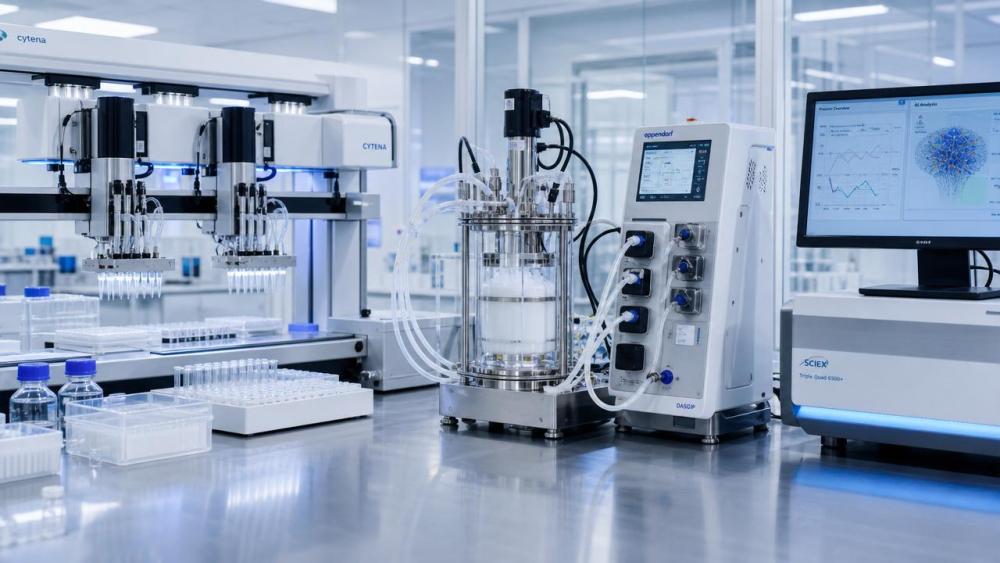
A checklist approach reduces selection bias. It also helps compare pharmaceutical R&D equipment by lifecycle value, not only by purchase price or technical novelty.
This matters across bioprocessing, downstream purification, analytical metrology, biosafety workflows, and automated liquid handling. The best-fit platform must balance throughput, traceability, and future scale-up.
Core Checklist: Trends Shaping Pharmaceutical R&D Equipment Decisions
Use the following checklist to evaluate whether new pharmaceutical R&D equipment will stay relevant through 2026 and beyond.
- Prioritize automation first. Verify that the platform reduces manual touchpoints in sampling, dispensing, monitoring, or reporting without creating fragile workflow dependencies.
- Check AI-assisted analytics carefully. Confirm that prediction engines improve peak analysis, process control, or anomaly detection while preserving explainability and audit traceability.
- Assess data integrity by design. Require native audit trails, role-based access, electronic records support, and alignment with ALCOA+ expectations from day one.
- Validate GMP readiness early. Review whether the equipment supports CSV workflows, qualification documentation, and controlled software updates for regulated environments.
- Favor scalable architectures. Choose systems that can move from benchtop screening to pilot process development without forcing a complete method rebuild.
- Compare single-use compatibility. Determine whether the instrument fits disposable flow paths, sterile connectors, and rapid changeover models common in flexible bioprocess facilities.
- Examine integration depth. Ensure smooth connection with LIMS, MES, ELN, CDS, and instrument control layers to avoid data silos and duplicate entries.
- Measure service resilience. Look beyond warranty terms and confirm spare parts access, field support speed, calibration coverage, and remote diagnostics capability.
- Estimate total economic impact. Include consumables, validation labor, software licensing, downtime risk, retraining, and decommissioning in the ROI calculation.
- Review biosafety and containment needs. Match airflow control, HEPA performance, and cleanability requirements to viral work, cytotoxic compounds, or cell therapy handling.
How These Trends Apply Across Key Lab Scenarios
Bioprocess Development and Cell Culture
For bioreactors and fermenters, the leading trend is smarter control. Labs now expect tighter pH, DO, gas transfer, and feeding logic supported by predictive analytics.
When selecting pharmaceutical R&D equipment here, scale translation matters. Benchtop data should map cleanly into pilot and precommercial process models.
Downstream Purification and Separation
Centrifuges, filtration skids, and separation systems are being judged on yield protection and process consistency, not just throughput. Sensor-rich equipment helps reduce product loss.
Single-use flow paths are also reshaping purification labs. They support faster campaign turnover and reduce cleaning validation burdens in multi-product environments.
Analytical Metrology and LC-MS Workflows
LC-MS systems are evolving toward assisted interpretation, automated method optimization, and stronger compliance controls. The value comes from faster, defensible answers.
In this segment, pharmaceutical R&D equipment must deliver both sensitivity and data governance. High performance without reliable records creates hidden regulatory exposure.
Automated Liquid Handling and Screening
Liquid handling workstations are central to high-throughput biology, NGS preparation, and assay miniaturization. The main 2026 trend is flexible automation with low-code scheduling.
The strongest systems support rapid protocol changes, barcode traceability, and reproducible microliter transfer. That combination improves both screening velocity and method reliability.
Biosafety and Containment Infrastructure
Biosafety cabinets and clean benches are no longer treated as background infrastructure. Their airflow validation, alarm logic, and ergonomic design affect real operating quality.
As advanced therapies expand, pharmaceutical R&D equipment selection increasingly includes contamination control, operator protection, and room-level workflow compatibility.
Commonly Missed Risks When Reviewing Pharmaceutical R&D Equipment
- Overlooking software version control can turn a high-end instrument into a validation problem after routine updates or cybersecurity patches.
- Ignoring consumables strategy often inflates long-term costs, especially in single-use assemblies, specialty columns, sterile tips, and proprietary kits.
- Assuming integration is simple creates delays. Middleware, API maturity, and data mapping quality often decide whether connected workflows succeed.
- Undervaluing operator training leads to hidden error rates. Even advanced automation fails when setup logic, maintenance routines, and exception handling remain unclear.
- Choosing for current volume alone can block growth. Equipment that cannot support process intensification or site transfer quickly becomes a bottleneck.
Practical Execution Steps for Better Equipment Decisions
Start by ranking workflows according to business impact. Focus first on process steps where delays, rework, or compliance gaps most affect development timelines.
Build a comparison matrix for each pharmaceutical R&D equipment category. Score automation depth, data integrity, serviceability, scalability, and validation burden side by side.
Request evidence, not claims. Ask for audit trail screenshots, integration examples, FAT or SAT references, and real examples of scale-up or tech transfer use.
Test workflows under realistic conditions. Pilot the instrument with actual sample types, contamination controls, and reporting expectations before full commitment.
Align technical review with commercial planning. The most effective equipment decisions connect discovery speed with downstream manufacturing readiness and regulatory durability.
Conclusion and Next Action
The 2026 outlook for pharmaceutical R&D equipment is defined by convergence. Automation, AI, single-use systems, and GMP-ready digital control are becoming inseparable.
The most valuable investments are not simply advanced instruments. They are systems that protect data integrity, shorten development cycles, and support future scale-up.
Use the checklist above to review current gaps, shortlist upgrade priorities, and validate each platform against operational and regulatory realities. That approach turns equipment planning into a durable competitive advantage.
Related News
- Pharmaceutical R&D Equipment: 5 Cost Traps That Delay Scale-upMay 28, 2026Mr. Julian Vane
- Pharmaceutical R&D Equipment: Cost Traps That Delay Lab ROIMay 27, 2026Mr. Julian Vane
- Lab Automation Systems: Common Setup Mistakes to AvoidMay 26, 2026Mr. Julian Vane
- Biotech Equipment Costs in 2026: What Drives ROI?May 26, 2026Mr. Julian Vane
Related News
- 00
0000-00
Life Science Instruments: When UHPLC Delivers Better ROI Than HPLC - 00
0000-00
Innovative Drug Development: When TFF Beats Traditional Concentration - 00
0000-00
Cell & Gene Therapy Equipment: Key GMP Risks Before Installation - 00
0000-00
Pharmaceutical R&D Equipment: 5 Cost Traps That Delay Scale-up - 00
0000-00
How to Choose Single-use Bioreactors for Cell & Gene Therapies in 2026
Mr. Julian Vane
Weekly Insights
Stay ahead with our curated technology reports delivered every Monday.