





Why high-molecular analytical metrology becomes critical in GMP-regulated scenarios
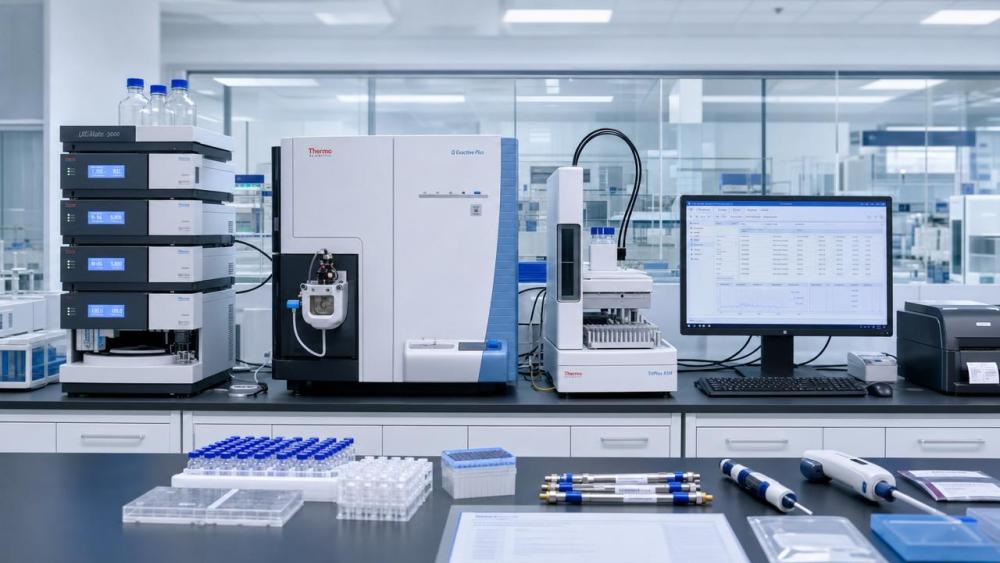
In GMP-regulated laboratories, high-molecular analytical metrology protects data integrity, product quality, and inspection confidence across complex workflows.
When biologics, CGT materials, and complex macromolecules move through development and release testing, measurement quality directly affects release decisions.
This is especially true when laboratories rely on LC-MS, automated handling, chromatography, and digital records under strict audit expectations.
High-molecular analytical metrology is not only about instrument accuracy. It also covers traceability, method control, validated software, user permissions, and defensible records.
For BLES, this topic sits at the intersection of analytical science, computerized compliance, and scalable biopharma operations.
The practical question is simple. Which laboratory scenario creates the greatest metrology risk, and what controls must be strengthened first?
How scenario differences change metrology priorities
Not every laboratory faces the same measurement risk. A discovery lab values flexibility, while a GMP QC environment prioritizes repeatability, traceability, and change control.
High-molecular analytical metrology must therefore be adapted to sample complexity, regulatory exposure, and the consequence of a wrong result.
Large biomolecules behave differently from small molecules. They show structural heterogeneity, aggregation, fragmentation, and matrix sensitivity.
Because of this, method suitability cannot be judged by one parameter alone. Laboratories need a broader decision framework.
- Sample type and molecular complexity
- Intended use of the analytical result
- Level of GMP and audit exposure
- Integration between instruments, software, and records
- Need for method transfer or scale-up support
In practice, high-molecular analytical metrology delivers value only when it aligns with the real operational scenario.
Scenario 1: Release testing of biologics needs defensible high-molecular analytical metrology
Batch release testing is the most inspection-sensitive scenario. Here, high-molecular analytical metrology must support final decisions with minimal ambiguity.
Critical attributes often include purity, aggregation, molecular weight distribution, identity, and degradation profile.
If instrument calibration is weak or data trails are incomplete, even technically correct results may fail compliance review.
Core judgment points
- Can results be linked to validated methods and approved specifications?
- Are audit trails complete, reviewable, and protected from unauthorized changes?
- Do calibration intervals match product risk and usage frequency?
- Is electronic data attributable, legible, contemporaneous, original, and accurate?
In this scenario, high-molecular analytical metrology should be tied closely to CSV, SOP discipline, and periodic review.
Scenario 2: Method development for complex molecules requires flexible but traceable control
Development laboratories work under different pressure. They adjust gradients, columns, buffers, detection settings, and sample preparation steps more frequently.
That flexibility can create invisible integrity risks when preliminary methods later become GMP-relevant without controlled transfer.
High-molecular analytical metrology in this setting should preserve scientific agility while building future traceability from the start.
Core judgment points
- Are experimental changes documented with version history?
- Can raw data be reconstructed during later method qualification?
- Do system suitability criteria evolve alongside method maturity?
- Is data generated in a platform that supports eventual validation?
Early discipline reduces painful remediation later, especially when analytical methods move toward transfer, comparability, or regulatory filing.
Scenario 3: Multi-instrument digital ecosystems create hidden integrity gaps
Modern laboratories rarely use one standalone system. They combine LC-MS, balances, chromatography software, LIMS, and automated liquid handling.
This integration improves throughput but also increases interface risk. Data may be altered, duplicated, delayed, or disconnected across platforms.
High-molecular analytical metrology becomes a system-level discipline in this environment, not merely an instrument qualification task.
Core judgment points
- Are metadata transferred consistently between systems?
- Can user actions be traced across connected applications?
- Are time stamps synchronized and secure?
- Do backup and recovery procedures preserve analytical context?
Without these controls, data integrity failures may emerge during inspection even when the analytical science itself remains sound.
Where scenario requirements differ most
This comparison shows why high-molecular analytical metrology should be prioritized by use case rather than by instrument list alone.
How to adapt high-molecular analytical metrology to each scenario
A practical framework helps laboratories close gaps without overengineering every workflow.
- Map each analytical workflow to product risk and regulatory impact.
- Separate exploratory methods from GMP decision methods.
- Define calibration, maintenance, and qualification by criticality.
- Review software permissions, audit trails, and electronic signatures.
- Validate data interfaces between instruments and informatics platforms.
- Train teams to detect integrity signals, not only technical failures.
For high-molecular analytical metrology, the strongest programs treat metrology, digital governance, and GMP evidence as one connected operating model.
Common scenario misjudgments that weaken data integrity
Several errors appear repeatedly across laboratories handling complex molecular analysis.
- Assuming instrument qualification alone guarantees data integrity
- Treating development records as disposable before GMP transfer
- Ignoring metadata consistency across connected systems
- Using broad user privileges for convenience
- Delaying periodic review until inspection pressure increases
These misjudgments create expensive remediation paths. They also undermine confidence in high-molecular analytical metrology during critical quality events.
The better approach is preventive. Build integrity into workflow design, system selection, and governance before deviations accumulate.
The next practical step for stronger GMP confidence
High-molecular analytical metrology should be reviewed as a live operational capability, not a one-time compliance project.
Start with one workflow. Examine sample preparation, instrument settings, software control, data transfer, review practice, and record retention.
Then compare findings against scenario-specific risk. Release testing, development, and integrated digital labs require different control depth.
BLES follows this convergence closely because reliable metrology now shapes both compliance resilience and process scale-up success.
When high-molecular analytical metrology is aligned with GMP reality, laboratories gain cleaner data, stronger audit readiness, and more confident decisions.
That is the foundation for trustworthy biologics development, efficient quality systems, and sustainable growth in advanced life sciences operations.
Related News
- What CSV documentation should a laboratory systems supplier provide?Oct 26, 2026Dr. Elara Sterling
- GenScript ProBio’s Nanjing Biologics Facility Passes NMPA Pre-Approval InspectionOct 22, 2026Dr. Elara Sterling
- How to assess audit trails in analytical data integrity solutionsOct 16, 2026Dr. Elara Sterling
- How user licensing affects laboratory validation system pricingOct 14, 2026Dr. Elara Sterling
Related News
- 00
0000-00
What CSV documentation should a laboratory systems supplier provide? - 00
0000-00
SCIEX Begins Construction of High-End Mass Spectrometer Plant in Beijing - 00
0000-00
Which design features make cleanroom benches easier to clean? - 00
0000-00
IndexBox Forecasts 12% CAGR for Global Microbioreactor Market Through 2035 - 00
0000-00
When do hazardous compound labs need isolators for containment?
Dr. Elara Sterling
Weekly Insights
Stay ahead with our curated technology reports delivered every Monday.