





On June 1, 2026, the European Medical Device Coordination Group released MDCG 2026-12, a guidance document addressing validation requirements for AI-enhanced UHPLC chromatography systems. The development deserves attention from UHPLC manufacturers, EU exporters, regulatory affairs teams, software validation teams, and supply-chain partners because it starts a six-month consultation period and points to dual validation requirements for new registrations from 2027.
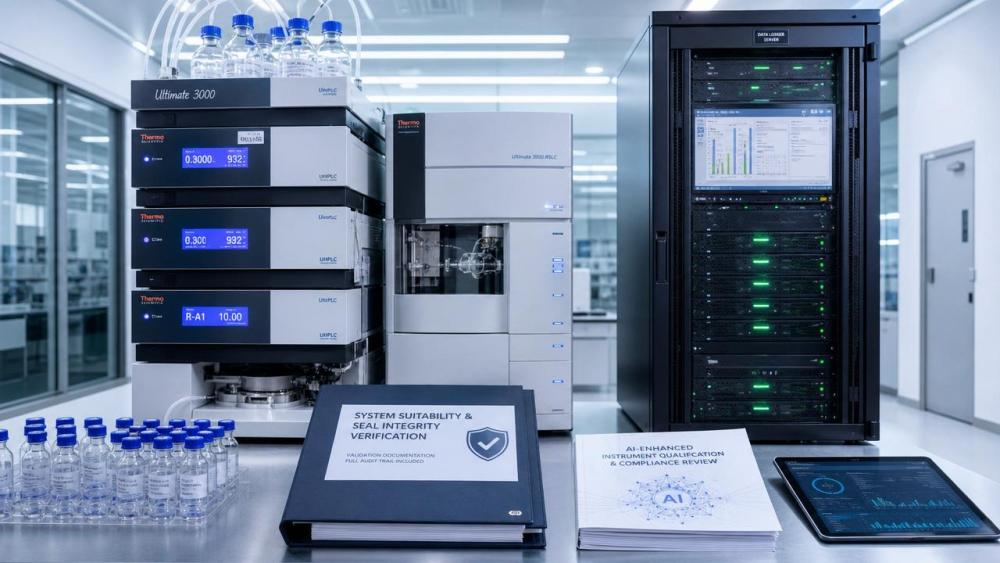
Event Overview
On June 1, 2026, the European Medical Device Coordination Group published MDCG 2026-12: AI-Enhanced Chromatography Systems Validation Guidance.
According to the released information, the document formally places UHPLC systems equipped with AI algorithms within the extended regulatory scope of IVDR/MDR. It also opens a six-month industry consultation period, with comments due by December 1, 2026.
The guidance states that, from 2027, all newly registered UHPLC systems must pass dual validation covering computer system validation and AI model traceability. Current UHPLC manufacturers exporting to the European Union are therefore expected to begin restructuring their validation pathways.
Which Industry Segments Are Affected
UHPLC Manufacturers Exporting to the European Union
Manufacturers of UHPLC systems with AI functions are the most directly affected because the guidance links new EU registration to both CSV and AI model traceability validation from 2027.
The impact is mainly reflected in registration preparation, technical documentation, validation evidence, and internal coordination between instrument engineering, software development, and regulatory compliance teams.
Regulatory Affairs and Compliance Teams
Regulatory affairs teams will need to track the six-month consultation process and assess how existing registration plans align with the stated 2027 validation requirement.
Analysis shows that the key impact for these teams is not only document submission, but also the need to map how AI-related validation evidence is generated, reviewed, retained, and connected to the overall UHPLC system registration file.
Software, AI Model, and CSV Validation Teams
Teams responsible for software validation and AI model management are affected because the guidance explicitly combines computer system validation with AI model traceability.
From an industry perspective, this may require a clearer separation between traditional system validation records and AI model lifecycle evidence, especially where algorithm updates, model traceability, and system performance documentation are involved.
EU Importers, Distributors, and Channel Partners
Importers and distributors handling UHPLC systems for the EU market may be affected by changes in product registration timelines and documentation readiness from manufacturers.
Observably, the impact for channel partners is likely to appear in product availability planning, customer communication, and confirmation of whether systems intended for EU sale fall within the AI-enhanced UHPLC category described in the guidance.
Laboratories and End Users Planning New Purchases
Laboratories, testing institutions, and other end users planning to purchase new AI-enabled UHPLC systems for use in the EU may need to pay attention to whether future systems meet the stated validation expectations.
What deserves closer attention now is procurement timing and supplier communication, especially for systems expected to be newly registered from 2027 onward.
What Companies and Professionals Should Watch and How to Respond
Track the Consultation Period and Official Updates
Companies should monitor the consultation period ending December 1, 2026, and pay close attention to any subsequent official clarification related to MDCG 2026-12.
Because the current stage is a consultation period, it is more appropriate to understand this as a regulatory transition signal rather than a fully completed implementation outcome. Businesses should avoid assuming that every operational detail has already been finalized.
Identify Whether Products Fall Within the AI-Enhanced UHPLC Scope
Manufacturers and exporters should review their UHPLC product lines to determine which systems include AI algorithms and may therefore fall under the guidance.
This review should focus on the connection between AI functionality, system validation, registration status, and intended EU market access. The practical priority is to separate products likely affected by the 2027 requirement from those outside the described AI-enhanced category.
Rebuild Validation Planning Around CSV and AI Traceability
For affected products, companies should begin aligning validation planning with the dual requirement of computer system validation and AI model traceability.
Analysis shows that the transition may require cross-functional work between regulatory affairs, software validation, AI model governance, quality management, and product registration teams. The immediate task is to identify gaps in existing validation records before new registration deadlines become more pressing.
Prepare Market and Partner Communication Early
Exporters, importers, and distributors should prepare clear communication for EU-facing partners and customers regarding product registration status, expected documentation readiness, and possible validation-related timelines.
From an industry perspective, early communication can reduce uncertainty in procurement and channel planning, especially where customers are considering new AI-enabled UHPLC systems that may be registered from 2027 onward.
Editor’s View / Industry Observation
Analysis shows that MDCG 2026-12 is significant because it connects AI functionality in UHPLC systems with the regulatory logic of IVDR/MDR-related validation. The central issue is no longer only whether the instrument performs its analytical function, but whether the AI-enhanced system can provide traceable validation evidence.
It is more appropriate to understand this development as a transition-stage regulatory signal with a defined countdown. The six-month consultation period indicates that industry input is still part of the process, while the stated 2027 requirement gives companies a clear reason to review validation strategies now.
What deserves closer attention now is how manufacturers and EU market participants translate the guidance into operational documentation, registration planning, and supplier communication. Continued monitoring is necessary because detailed implementation expectations may become clearer after the consultation period.
Conclusion
The release of MDCG 2026-12 marks an important regulatory development for AI-enhanced UHPLC systems targeting the European Union market. Its industry significance lies in the move toward dual validation covering CSV and AI model traceability for new registrations from 2027.
Observably, the most reasonable current response is to treat the guidance as a transition framework that requires preparation rather than delay. Companies should assess affected products, review validation evidence, follow official updates, and prepare EU market communication before the consultation window closes.
Information Source Statement
Main source: European Medical Device Coordination Group, MDCG 2026-12: AI-Enhanced Chromatography Systems Validation Guidance, released on June 1, 2026.
Items requiring continued observation: official feedback during the consultation period ending December 1, 2026, and any subsequent clarification on the implementation of CSV and AI model traceability validation for newly registered UHPLC systems from 2027.