





On 30 May 2026, the European Union’s Medical Device Coordination Group (MDCG) initiated a pivotal regulatory shift affecting analytical instrumentation used in medical device testing—specifically ultra-high-performance liquid chromatography (UHPLC) systems equipped with AI-driven peak identification, automated integration, and anomaly detection capabilities.
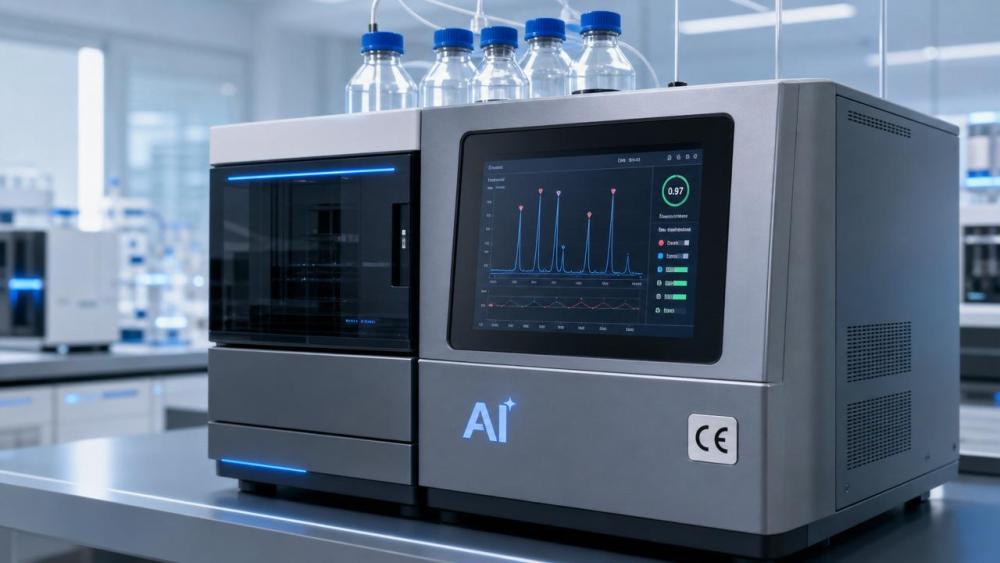
MDCG Issues Draft Guidance for AI-Enhanced UHPLC Validation
The MDCG published Draft Guidance Document MDCG 2026-12 on 30 May 2026. It introduces a six-month transition period—ending 30 November 2026—for validating UHPLC systems incorporating artificial intelligence functionalities. During this window, existing systems may remain in use if they implement enhanced computerized system validation (CSV) combined with AI-specific traceability and audit trail capabilities. However, all new medical device products entering the EU market after the transition deadline must be supported by data generated using UHPLC systems compliant with the newly defined AI validation template.
Impact Across the Medical Device Supply Chain
Medical device manufacturers and exporters
These entities face immediate implications for product release testing and stability studies. As UHPLC is widely used in impurity profiling, extractables/leachables analysis, and polymer degradation assessment, any change in instrument validation criteria directly affects regulatory submission timelines and data acceptability under Regulation (EU) 2017/745.
Raw material and component suppliers
Suppliers providing critical excipients, polymers, or drug-eluting coatings rely on UHPLC-generated data to demonstrate compliance with specifications. Revised AI validation requirements may trigger requalification of historical test methods or retrospective verification of legacy chromatographic datasets.
Contract development and manufacturing organizations (CDMOs)
CDMOs operating EU-based analytical labs must align their validation protocols with the MDCG 2026-12 framework before the 30 November 2026 deadline. This includes updating SOPs, retraining staff on AI-audit trail documentation, and upgrading electronic lab notebook (ELN) or LIMS configurations to support AI decision logging.
Regulatory and quality consulting services
Service providers supporting EU MDR submissions will need to integrate AI-specific UHPLC validation assessments into technical file reviews, gap analyses, and Notified Body readiness audits—particularly where AI functions influence critical quality attributes or acceptance criteria.
Key Compliance Priorities for Affected Organizations
Adopt the new AI validation template ahead of the deadline
Organizations preparing new product dossiers must apply the forthcoming final version of the MDCG AI validation template—not just CSV—covering algorithm training data provenance, bias testing, uncertainty quantification for AI-integrated integrations, and human-in-the-loop review logs.
Upgrade audit trail capabilities for AI decision logic
Legacy UHPLC software with basic CSV must now extend audit trails to capture AI model versioning, input parameter sensitivity flags, and real-time alerts triggering manual override—meeting both Annex XI of MDR and ALCOA+ principles for AI-generated data.
Reassess method transfer and cross-site validation protocols
When deploying AI-enhanced UHPLC across multiple laboratories (e.g., R&D, QC, stability), harmonized AI model deployment, retraining schedules, and performance benchmarking become mandatory—not optional—to ensure consistent data integrity across sites.
Industry Perspective: A Strategic Inflection Point for Analytical AI Governance
Analysis shows that MDCG 2026-12 marks the first formal regulatory codification of AI-specific validation expectations for chromatographic platforms in the medical device sector. From an industry perspective, this reflects a broader shift from treating AI as a ‘black-box’ productivity tool to recognizing it as a regulated subsystem requiring lifecycle management akin to hardware or firmware. What deserves closer attention is how this precedent may inform future guidance for AI in other regulated analytical domains—such as mass spectrometry or dissolution testing—and whether Notified Bodies will begin requiring third-party algorithm certification for high-risk applications.
Toward Robust, Transparent, and Regulator-Ready AI Use
This transition does not signal a ban on AI in analytical workflows—but rather a maturation of regulatory expectations toward transparency, reproducibility, and human oversight. For manufacturers and service providers alike, success hinges less on avoiding AI and more on embedding governance-by-design: version-controlled models, auditable inference logs, and clearly defined responsibility boundaries between algorithm output and analyst judgment.
Source Attribution and Ongoing Monitoring
This article was developed exclusively from the user-provided information: title, event date (30 May 2026), and summary text. Specific official source links were not provided in the input and should be verified continuously. Stakeholders are advised to monitor updates to MDCG 2026-12 following public consultation, final publication by the European Commission, and subsequent interpretations issued by EU Notified Bodies and national competent authorities.
Related News
- What CSV documentation should a laboratory systems supplier provide?Oct 26, 2026Dr. Elara Sterling
- SCIEX Begins Construction of High-End Mass Spectrometer Plant in BeijingOct 26, 2026Analytical Metrology Expert
- Which design features make cleanroom benches easier to clean?Oct 25, 2026Bio-containment Strategist
- IndexBox Forecasts 12% CAGR for Global Microbioreactor Market Through 2035Oct 25, 2026Bioprocess Scientist
Related News
- 00
0000-00
What CSV documentation should a laboratory systems supplier provide? - 00
0000-00
SCIEX Begins Construction of High-End Mass Spectrometer Plant in Beijing - 00
0000-00
Which design features make cleanroom benches easier to clean? - 00
0000-00
IndexBox Forecasts 12% CAGR for Global Microbioreactor Market Through 2035 - 00
0000-00
When do hazardous compound labs need isolators for containment?
Industry Global
Weekly Insights
Stay ahead with our curated technology reports delivered every Monday.