





Aseptic Processing in Cleanroom Technology: 7 Critical Control Points
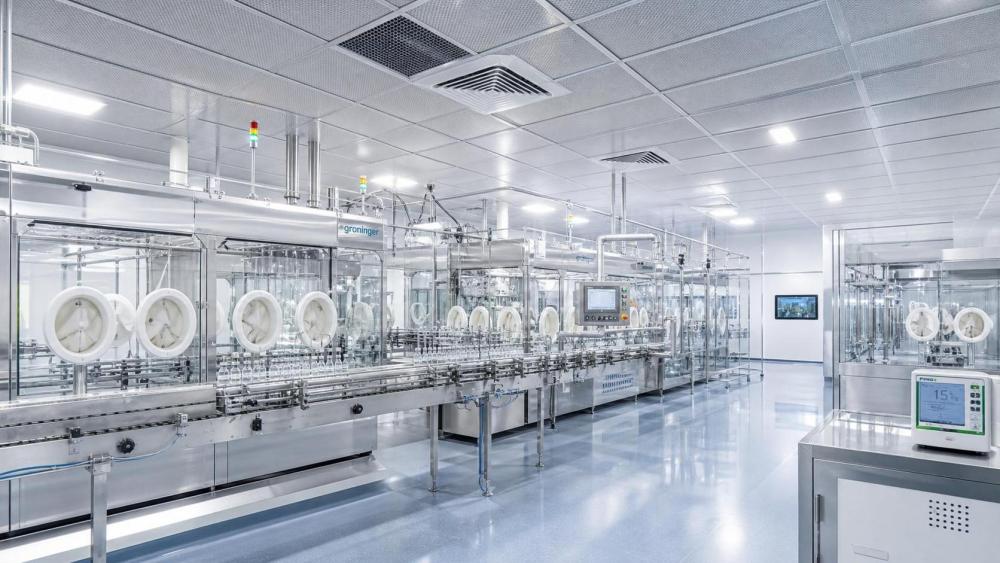
In regulated biopharma environments, cleanroom technology aseptic processing is not just a compliance requirement. It is a direct control on product quality, operator safety, and inspection readiness.
For sterile manufacturing teams, small failures rarely stay small. A weak airflow pattern, a rushed glove touch, or a missed intervention can undermine an entire batch.
That is why cleanroom technology aseptic processing must be managed through visible, measurable control points. The goal is not only sterility. The goal is repeatable control under real operating pressure.
In practice, the strongest programs connect engineering controls, operator discipline, environmental monitoring, and data integrity. When those pieces align, GMP execution becomes far more stable.
The seven control points below reflect how modern biopharma facilities reduce contamination risk during sterile filling, compounding, transfer, and final release activities.
1. Cleanroom Design and Airflow Control
Everything starts with the room itself. Cleanroom technology aseptic processing depends on pressure cascades, filtered air, recovery rates, and layout discipline.
Unidirectional airflow must protect critical zones during static and dynamic conditions. A design that performs well when empty may fail once people, carts, and routine interventions enter the space.
This is especially important around filling needles, open containers, stopper bowls, and aseptic connections. Air should sweep contaminants away, not trap turbulence above exposed product paths.
Key checks usually include smoke studies, pressure differential trending, HEPA integrity testing, and airflow visualization during representative operations.
- Verify airflow under worst-case interventions.
- Confirm material and personnel flows never cross unnecessarily.
- Review recovery time after door openings or equipment movement.
- Trend pressure alarms rather than treating them as isolated events.
2. Personnel Gowning and Operator Behavior
People remain the largest contamination source in cleanroom technology aseptic processing. Even in advanced facilities, operator movement can disrupt protection far faster than equipment drift.
Gowning is not a checklist exercise. It is a contamination barrier system that only works when sequence, fit, glove sanitation, and movement discipline are consistently maintained.
The more obvious signal during inspections is often behavior, not clothing alone. Leaning into first air, blocking airflow, overreaching, or touching nonsterile surfaces creates immediate risk.
Effective programs use practical qualification. Media fills, aseptic manipulations, glove fingertip monitoring, and intervention observations reveal whether training truly transfers to the floor.
- Standardize gowning sequence with visual verification.
- Sanitize gloves at defined intervals and after contact events.
- Limit unnecessary conversation and body motion in Grade A or ISO 5 zones.
- Requalify operators after deviations, not only on a calendar basis.
3. Material Transfer and Component Preparation
Aseptic risk often enters through materials before the process begins. In cleanroom technology aseptic processing, transfer pathways deserve the same attention as the filling line.
Stoppers, vials, tubing, single-use assemblies, tools, and cleaning items each carry different bioburden and particulate profiles. Treating them as equal is a common control weakness.
Preparation should define sterilization status, wrapping configuration, exposure limits, and hold times after autoclaving or depyrogenation. Ambiguity here quickly becomes batch risk.
Transfer into higher-grade areas should follow closed or protected routes whenever possible. Rapid transfer ports, pass-throughs, and single-use sterile connectors help reduce open handling.
In actual operations, the best question is simple: what is the last point where contamination could have been introduced, and how would you prove control?
4. Equipment Sterilization and Aseptic Setup
Sterility assurance depends on validated equipment preparation. Cleanroom technology aseptic processing fails quickly when sterilization cycles and aseptic assembly are treated as separate topics.
Autoclaves, SIP systems, depyrogenation tunnels, sterilizing filters, and isolator decontamination cycles must be validated around real loads and worst-case conditions.
The next step matters just as much. A perfectly sterilized component can lose status during assembly if line clearance is weak or exposed connections remain open too long.
This is where setup choreography matters. Teams should know exact connection order, exposure windows, sterile boundary points, and escalation triggers when a setup is interrupted.
- Use load maps and biological indicators where appropriate.
- Document hold times after sterilization and before use.
- Challenge filter integrity before and after critical use when required.
- Define recovery actions for interrupted aseptic setup.
5. Environmental Monitoring That Drives Decisions
Environmental monitoring is only valuable when it supports decisions. In cleanroom technology aseptic processing, monitoring should explain conditions before, during, and after critical activity.
A balanced program combines viable air sampling, surface sampling, nonviable particle counting, personnel monitoring, and trend review across shifts and campaigns.
The mistake many sites make is collecting data without operational context. A settle plate result means little unless linked to interventions, maintenance, cleaning timing, and occupancy.
Alert and action levels should reflect process knowledge, not copied numbers. More importantly, repeated low-level signals often deserve attention before any formal excursion occurs.
For audit readiness, trend narratives matter. Investigators want to see how the site recognized drift, assessed product impact, and corrected the underlying cause.
6. Interventions, Line Stops, and Deviation Control
No aseptic process stays untouched for long. Gloves need adjustment, components jam, sensors alarm, and product paths require confirmation. Interventions are where theory meets reality.
In cleanroom technology aseptic processing, interventions must be classified, minimized, rehearsed, and reflected in media fill design. Routine events and nonroutine events should never be blurred together.
Line stops deserve special attention. The risk profile changes when first air is disrupted, machine speed changes, or exposed product waits in place longer than intended.
A practical deviation system asks four things. What happened. What became exposed. How long the exposure lasted. What evidence supports product disposition.
This also means video review, batch record detail, alarm history, and intervention logs should be consistent. Gaps between systems often raise more concern than the event itself.
7. Documentation, Data Integrity, and Continuous Improvement
The final control point is the one that proves all others. Cleanroom technology aseptic processing must be fully supported by accurate records, controlled systems, and defensible review practices.
Batch records, EM data, sterilization charts, training files, maintenance logs, and deviation investigations should tell one coherent story. If the story breaks, confidence drops fast.
This is where modern intelligence adds value. Trend analysis across equipment, operators, shifts, and room states can reveal recurring weakness before contamination events become visible.
For organizations operating across bioprocessing, downstream purification, analytical metrology, and automated liquid handling, integrated review is increasingly important.
BLES follows this broader operating reality closely. Sterile control is no longer only a cleanroom topic. It is tied to scale-up speed, validation discipline, and global inspection expectations.
How to Apply the 7 Control Points in Daily GMP Work
A strong program does not launch with a major rewrite. It usually starts by making current controls more visible, measurable, and easier to challenge.
A practical sequence often works best:
- Map every open product exposure point.
- Rank interventions by frequency and contamination risk.
- Compare room design intent with real operator movement.
- Review environmental trends beside deviation history.
- Update training using observed failure patterns.
- Strengthen record linkage across systems and batch review.
That approach makes cleanroom technology aseptic processing easier to defend during audits because control logic becomes clearer. More importantly, it improves day-to-day execution before an inspection ever begins.
When the seven control points are managed together, contamination prevention becomes more than a compliance slogan. It becomes a stable operating habit that protects product, people, and release confidence.
Related News
- What CSV documentation should a laboratory systems supplier provide?Oct 26, 2026Dr. Elara Sterling
- GenScript ProBio’s Nanjing Biologics Facility Passes NMPA Pre-Approval InspectionOct 22, 2026Dr. Elara Sterling
- How to assess audit trails in analytical data integrity solutionsOct 16, 2026Dr. Elara Sterling
- How user licensing affects laboratory validation system pricingOct 14, 2026Dr. Elara Sterling
Related News
- 00
0000-00
What CSV documentation should a laboratory systems supplier provide? - 00
0000-00
SCIEX Begins Construction of High-End Mass Spectrometer Plant in Beijing - 00
0000-00
Which design features make cleanroom benches easier to clean? - 00
0000-00
IndexBox Forecasts 12% CAGR for Global Microbioreactor Market Through 2035 - 00
0000-00
When do hazardous compound labs need isolators for containment?
Dr. Elara Sterling
Weekly Insights
Stay ahead with our curated technology reports delivered every Monday.