





In GMP-regulated facilities, cleanroom technology is no longer just an environmental control system. It is a critical safeguard for data integrity.
Every airflow deviation, sensor drift, access log gap, or undocumented intervention can challenge the reliability of an entire batch record.
As biopharma operations become automated and data-driven, hidden cleanroom technology risks must be identified before they become audit observations.
Why Cleanroom Technology Becomes a Data Integrity Scenario
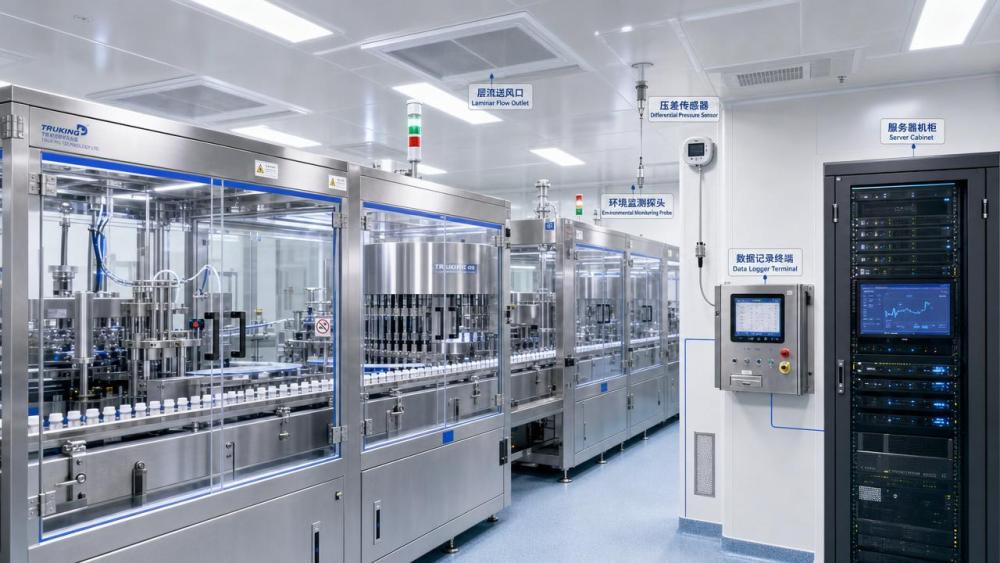
Cleanroom technology connects facility control, production behavior, environmental monitoring, computerized systems, and GMP documentation.
This connection creates value, but it also creates fragile data pathways that must remain complete, accurate, and attributable.
In modern bioprocessing, a cleanroom event rarely stays isolated. It can affect batch disposition, deviation handling, and release confidence.
A pressure alarm may appear minor. Yet its timing may overlap with aseptic filling, cell culture sampling, or open handling.
When cleanroom technology records are incomplete, the question changes. The issue becomes whether product history is trustworthy.
For global GMP operations, the strongest systems treat cleanroom technology as evidence infrastructure, not only contamination control.
Scenario Background: Different Cleanroom Uses Create Different Data Risks
Cleanroom technology supports many environments, from biosafety cabinets to Grade A filling zones and analytical sample preparation rooms.
Each scenario has different risk triggers. A single monitoring strategy cannot protect every process with equal strength.
In cell therapy, short production windows increase pressure on real-time decisions. Missing records may destroy batch traceability.
In monoclonal antibody production, large-scale operations create many linked records across utilities, suites, and downstream purification areas.
In high-molecular analytical metrology, cleanroom technology protects sample validity, instrument stability, and chromatographic data interpretation.
Scenario-based judgment prevents overengineering in low-risk areas and under-control in high-impact GMP zones.
Scenario One: Aseptic Filling Where Every Alarm Needs Context
Aseptic filling is the most sensitive cleanroom technology scenario because product exposure and contamination risk occur simultaneously.
Airflow, differential pressure, non-viable particles, viable monitoring, glove integrity, and operator interventions form one compliance picture.
The core judgment point is not only whether an alarm happened. It is whether the alarm affected a critical operation.
Cleanroom technology data should link time stamps with batch steps, line status, door openings, and intervention records.
If these records are stored separately, root cause analysis becomes slow and vulnerable to subjective reconstruction.
Key controls for aseptic filling
- Synchronize environmental monitoring, access control, and batch execution system clocks.
- Define alarm impact rules before production, not after deviations occur.
- Record intervention reason, duration, location, and operator authorization.
- Review cleanroom technology trends against media fill and contamination history.
Scenario Two: Cell and Gene Therapy Suites With Fast Batch Turnover
CGT production often uses small batches, personalized workflows, and rapid room changeovers.
Cleanroom technology must support traceability across patient-linked materials, biosafety controls, and short processing windows.
The biggest risk is fragmented evidence. Manual logs, electronic alarms, and room release checks may not align.
When a batch is patient-specific, missing data cannot be diluted across statistical process history.
Cleanroom technology decisions should prioritize identity protection, rapid review, and validated electronic workflows.
A practical judgment point is whether room status can be proven before, during, and after each patient batch.
Adaptation priorities for CGT suites
- Use electronic room release records with audit trails.
- Connect cleanroom technology alarms to chain-of-identity controls.
- Validate barcode, access, and environmental data interfaces.
- Prevent undocumented room reuse after cleaning or campaign changeover.
Scenario Three: Bioreactor Support Areas and Downstream Purification
Large bioreactors and downstream purification suites depend on stable classified spaces, controlled utilities, and reliable transfers.
Here, cleanroom technology risks often appear as indirect data integrity problems.
A pressure cascade failure may not contaminate product immediately. Yet it can compromise material movement records.
A sensor calibration gap may weaken confidence in hold-time studies, open connections, or harvest transfer operations.
The core judgment point is process linkage. Cleanroom technology data must be assessed against unit operation vulnerability.
Downstream areas also rely on centrifuges, ultrafiltration systems, chromatography skids, and buffer preparation rooms.
If cleanroom technology records are not mapped to these operations, deviations may miss their true product impact.
Scenario Four: Analytical Laboratories Where Sample Truth Is at Stake
Analytical laboratories use clean benches, biosafety cabinets, LC-MS rooms, and controlled sample preparation environments.
Cleanroom technology protects sample integrity before analytical systems generate electronic results.
The risk is often underestimated because analytical data systems receive more validation attention than environmental systems.
However, a clean bench airflow failure can compromise sample preparation before LC-MS acquisition begins.
If the environmental event is undocumented, the chromatogram may appear compliant while the sample history is questionable.
The judgment point is whether cleanroom technology evidence supports the validity of each critical sample handling step.
Different Scenario Needs: A Practical Comparison
This comparison shows why cleanroom technology requirements must be matched to operational impact, not copied across departments.
Cleanroom Technology Adaptation Advice for GMP Data Integrity
A robust approach begins with defining which cleanroom technology records are GMP-critical.
Not every signal needs the same control level, but every critical record needs justified governance.
- Map cleanroom technology records to batch, sample, or material decisions.
- Apply ALCOA+ principles to alarms, trends, overrides, and manual entries.
- Validate computerized systems that store or transmit GMP environmental data.
- Control user access, administrator rights, and electronic audit trail review.
- Create deviation rules that consider process timing and exposure status.
- Use periodic reviews to detect sensor drift, recurring alarms, and data gaps.
Cleanroom technology should also be included in change control when equipment, layouts, software, or workflows are modified.
A new liquid handling workstation, biosafety cabinet, or sampling route can alter airflow behavior and record dependencies.
The strongest programs evaluate data integrity impact before implementation, not only after qualification failures.
Common Misjudgments That Threaten Compliance Confidence
The first misjudgment is treating cleanroom technology data as engineering information only.
In GMP environments, environmental records can become batch evidence, deviation evidence, and release evidence.
The second misjudgment is relying on paper logs beside electronic systems without reconciliation rules.
If manual entries conflict with system alarms, investigators may question which record reflects the truth.
The third misjudgment is ignoring audit trails until inspection preparation.
Audit trails should be reviewed based on risk, especially for parameter changes, alarm acknowledgments, and deleted events.
The fourth misjudgment is accepting sensor data without calibration and maintenance traceability.
Cleanroom technology depends on instruments, and unreliable instruments create unreliable environmental history.
The fifth misjudgment is separating contamination control strategy from computerized system validation.
A cleanroom system may control particles well, yet still fail GMP expectations if electronic records are weak.
Operational Warning Signs Worth Immediate Review
- Frequent alarm acknowledgments without documented impact assessment.
- Environmental monitoring data stored outside validated GMP systems.
- Shared user accounts for cleanroom technology software.
- Time differences between equipment, building systems, and batch records.
- Manual transcription from cleanroom displays into batch documentation.
- Unclear ownership between engineering, production, quality, and IT functions.
These warning signs do not always indicate failure. They do indicate that cleanroom technology controls need deeper verification.
Action Guidance: Building a Defensible Next Step
Start with a scenario-based data integrity assessment of cleanroom technology records.
Select one high-impact process, such as aseptic filling, CGT processing, or critical sample preparation.
Trace one batch or sample from room release through environmental monitoring, interventions, alarms, and final documentation.
Identify where data are generated, transferred, reviewed, modified, archived, or manually copied.
Then rank gaps by product impact, patient risk, inspection exposure, and remediation complexity.
This practical path converts cleanroom technology from a passive facility system into an active GMP evidence framework.
For biopharmaceutical and laboratory equipment operations, the goal is not more data. The goal is trustworthy, connected, and reviewable data.
When cleanroom technology supports that goal, audit confidence improves, investigations become faster, and product quality decisions become stronger.
Related News
- What CSV documentation should a laboratory systems supplier provide?Oct 26, 2026Dr. Elara Sterling
- GenScript ProBio’s Nanjing Biologics Facility Passes NMPA Pre-Approval InspectionOct 22, 2026Dr. Elara Sterling
- How to assess audit trails in analytical data integrity solutionsOct 16, 2026Dr. Elara Sterling
- How user licensing affects laboratory validation system pricingOct 14, 2026Dr. Elara Sterling
Related News
- 00
0000-00
What CSV documentation should a laboratory systems supplier provide? - 00
0000-00
SCIEX Begins Construction of High-End Mass Spectrometer Plant in Beijing - 00
0000-00
Which design features make cleanroom benches easier to clean? - 00
0000-00
IndexBox Forecasts 12% CAGR for Global Microbioreactor Market Through 2035 - 00
0000-00
When do hazardous compound labs need isolators for containment?
Dr. Elara Sterling
Weekly Insights
Stay ahead with our curated technology reports delivered every Monday.