





How High Molecular Analytical Instruments Improve Method Consistency
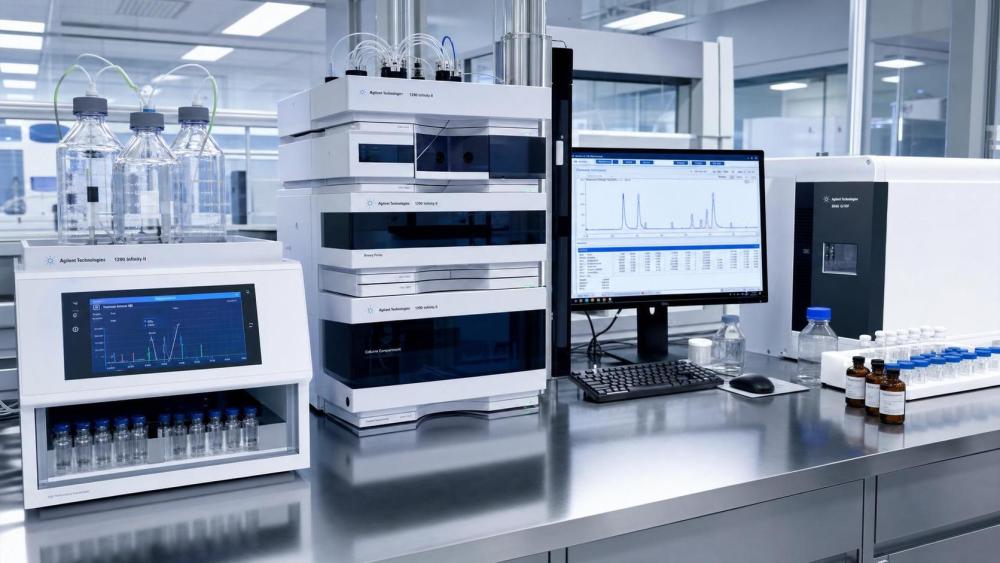
For quality control and safety teams, method consistency shapes every release decision, deviation review, and audit response.
That pressure grows fast in biopharma, where proteins, antibodies, vectors, and complex biologics behave very differently from small molecules.
This is where high molecular analytical instruments become more than lab equipment.
They act as consistency engines for method control, data integrity, and risk reduction across development, transfer, and routine QC.
In practical terms, these systems help teams measure large, fragile, and heterogeneous molecules with tighter reproducibility.
They also support traceable workflows that align with GMP expectations and modern lifecycle validation thinking.
At BLES, this topic matters because method consistency sits at the center of safe scale-up and defensible product quality.
Why method consistency is harder for high molecular products
Large molecules bring structural complexity, conformational sensitivity, and broader impurity profiles.
A small shift in temperature, buffer strength, shear stress, or sample age can change the analytical result.
That variation does not always mean the product changed.
Sometimes the method changed first, often in subtle ways that are hard to see.
High molecular analytical instruments reduce that risk by controlling the analytical environment more tightly.
They improve signal stability, automate critical steps, and standardize software-driven processing rules.
This matters during lot release, OOS investigation, method transfer, and change control.
Common sources of inconsistency
- Manual sample preparation differences between operators
- Instrument drift across long analytical sequences
- Uncontrolled environmental conditions during testing
- Different integration, peak calling, or data filtering rules
- Poor traceability between raw data, method versions, and approvals
More clearly now, consistency is no longer just a chemist’s concern.
It is a system-level issue involving hardware, software, workflows, training, and compliance governance.
How high molecular analytical instruments improve consistency
The biggest advantage of high molecular analytical instruments is controlled repeatability across complex assays.
That includes methods used for aggregation, charge variants, molecular weight distribution, purity, and identity confirmation.
1. Better control of critical analytical variables
Advanced platforms stabilize flow, pressure, temperature, and detector response more effectively than basic systems.
For size-based or charge-based separations, that stability directly improves run-to-run comparability.
This is especially useful when high molecular analytical instruments support biologics with narrow acceptance ranges.
2. Reduced operator-driven variability
Automated injection, sequence control, calibration prompts, and guided workflows reduce manual differences.
That helps standardize execution across shifts, sites, and analysts.
For safety management, fewer manual touches also mean fewer opportunities for sample mix-up or exposure events.
3. Stronger digital traceability
Modern high molecular analytical instruments capture audit trails, user actions, processing history, and method revisions.
That creates a clearer chain of evidence during deviations, CAPA reviews, and regulatory inspections.
In a GMP setting, consistency is only credible when it is documented and reconstructable.
4. More reliable method transfer
When a method moves from development to QC, hidden variability often appears.
High molecular analytical instruments reduce transfer friction through standardized recipes, locked parameters, and consistent reporting logic.
That shortens comparability studies and improves confidence before full routine adoption.
Where these instruments matter most in daily operations
The value of high molecular analytical instruments becomes obvious in high-risk decision points.
These are the moments when inconsistent data can delay release, trigger investigations, or obscure a real quality signal.
Typical use cases
- Monitoring protein aggregation during stability programs
- Confirming molecular size distribution in CGT or biologics workflows
- Checking charge heterogeneity before lot disposition
- Comparing pre-change and post-change analytical performance
- Supporting root cause analysis after unexpected trend shifts
From a business perspective, consistent methods also protect production tempo.
Fewer repeats, fewer inconclusive results, and fewer data disputes translate into faster, safer batch progression.
What quality and safety teams should evaluate before adoption
Not every platform delivers the same consistency benefits.
Selection should focus on risk control, lifecycle fit, and operational discipline.
Key evaluation points
- Check repeatability under real sample loads, not only vendor demo conditions.
- Review software controls for audit trail quality, user permissions, and data review workflow.
- Assess method lock features that prevent unapproved parameter changes.
- Confirm maintenance requirements, calibration strategy, and service response capability.
- Map instrument outputs to existing SOPs, LIMS, and deviation handling processes.
This is also where BLES often sees a gap between purchase intent and operational readiness.
The instrument may be advanced, but the method remains vulnerable if governance is weak.
A practical readiness checklist
How consistency supports compliance and scale-up
Method consistency is not only a laboratory quality metric.
It affects comparability, validation, process understanding, and commercial reliability.
When high molecular analytical instruments perform consistently, teams can separate product signals from method noise much faster.
That improves decisions during scale-up, site transfer, and post-approval changes.
It also strengthens inspection readiness because records, trends, and method history remain coherent.
For biologics and CGT programs, that coherence can save weeks of rework and significant compliance risk.
Seen this way, high molecular analytical instruments support both scientific confidence and operational control.
Final takeaways for stronger analytical control
High molecular analytical instruments improve method consistency by reducing uncontrolled variation at every critical step.
They strengthen repeatability, standardize execution, and make data review more defensible under GMP expectations.
Still, the best results come from combining the right platform with strong SOPs, validation discipline, and traceable digital governance.
For organizations navigating biologics growth, these instruments are a practical lever for lower risk and steadier release performance.
A useful next step is to review one high-variability method and identify where high molecular analytical instruments can remove manual or system drift.
That focused assessment often reveals the fastest path to better consistency, safer workflows, and more confident quality decisions.
Related News
- What drives laboratory system validation cost in GMP environments?Sep 23, 2026Dr. Elara Sterling
- How analytical metrology systems support data integrity in QC labsSep 22, 2026Dr. Elara Sterling
- How to evaluate a process technology equipment manufacturer for GMP readinessSep 21, 2026Dr. Elara Sterling
- When digital laboratory workflow solutions reduce GMP data integrity riskSep 19, 2026Dr. Elara Sterling
Related News
- 00
0000-00
What drives laboratory system validation cost in GMP environments? - 00
0000-00
How analytical metrology systems support data integrity in QC labs - 00
0000-00
How to evaluate a process technology equipment manufacturer for GMP readiness - 00
0000-00
When does a single use manufacturing platform reduce scale-up risk? - 00
0000-00
When digital laboratory workflow solutions reduce GMP data integrity risk
Dr. Elara Sterling
Weekly Insights
Stay ahead with our curated technology reports delivered every Monday.