




Pharmaceutical Compliance Solutions: How to Reduce Data Integrity Risk
For quality and safety leaders in biopharma, data integrity failures can trigger audit findings, product delays, and costly compliance gaps.
Effective pharmaceutical compliance solutions strengthen traceability, protect records, and support inspection readiness across complex laboratory and production environments.
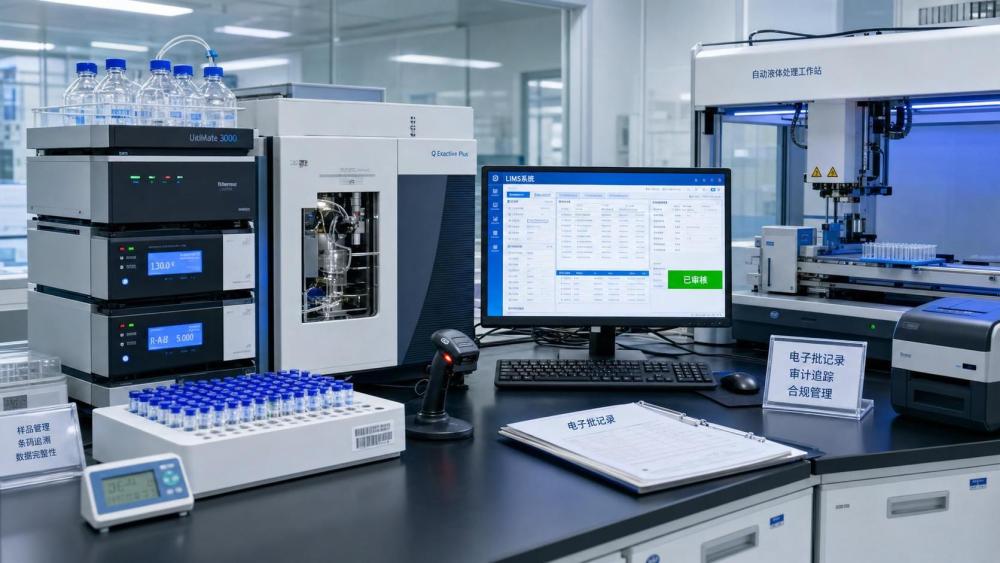
That matters even more now, as digital systems expand from bioreactors to LC-MS platforms and automated liquid handling workstations.
In practice, most integrity issues do not begin with fraud.
They start with weak controls, unclear ownership, poor system design, or rushed manual work during high-pressure development timelines.
This article explains how pharmaceutical compliance solutions reduce data integrity risk through governance, validated systems, workflow design, and daily operational discipline.
Why Data Integrity Risk Keeps Growing
Modern biopharma operations generate huge volumes of critical data.
Cell culture monitoring, downstream purification, analytical testing, and environmental control systems all create records that feed GMP decisions.
More systems should mean better control.
But without strong pharmaceutical compliance solutions, more systems often create more interfaces, more exceptions, and more chances for data gaps.
Common pressure points include hybrid paper-digital records, shared user accounts, disabled audit trails, uncontrolled spreadsheets, and delayed review of exceptions.
In laboratories, manual transcriptions between instruments and LIMS can quietly introduce errors.
In manufacturing, inconsistent recipe control or alarm handling can weaken trust in batch data.
This is where practical pharmaceutical compliance solutions make a real difference.
Start With the Data That Drives Product Quality
A strong program begins by identifying critical data, not by writing generic procedures.
That means mapping where GMP-relevant data is created, processed, reviewed, approved, transferred, stored, and archived.
For example, a bioreactor control record is not just a trend chart.
It may support decisions on pH adjustment, dissolved oxygen control, contamination response, and batch release confidence.
The same applies to LC-MS raw files, centrifuge run parameters, biosafety cabinet certification records, and automated pipetting logs.
Useful pharmaceutical compliance solutions classify this data by risk and business impact.
- Define which records support product quality, patient safety, and regulatory submissions.
- Identify systems with manual intervention, reprocessing, or frequent deviations.
- Prioritize controls where data changes could alter test results or release decisions.
This focused approach prevents teams from spreading resources too thin across low-risk records.
Build Controls Around ALCOA+ Principles
Most data integrity frameworks still return to ALCOA+.
Records should be attributable, legible, contemporaneous, original, accurate, complete, consistent, enduring, and available.
The challenge is turning those principles into daily controls.
Effective pharmaceutical compliance solutions do that by connecting policy with system behavior and user practice.
- Use unique user IDs and role-based access.
- Enable secure, reviewable audit trails.
- Require time-stamped entries at the point of activity.
- Control data edits, reprocessing, and method changes.
- Protect backup, retention, and archive accessibility.
When these controls are weak, teams often rely on detective review only.
That is slower, more expensive, and much less reliable than prevention.
Validate Systems the Way They Are Actually Used
Computerized System Validation is central to pharmaceutical compliance solutions, but many teams still validate against ideal workflows only.
Real risk appears in exceptions, not in perfect runs.
Validation should reflect actual user behavior in laboratories and production suites.
That includes aborted runs, repeated injections, network interruptions, recipe revisions, instrument maintenance, and sample sequence changes.
For BLES-focused operations, this matters across bioreactors, separation systems, LC-MS instruments, cleanroom support equipment, and liquid handling platforms.
Robust pharmaceutical compliance solutions connect validation to intended use, access control, metadata protection, and audit trail review.
They also define what happens after system updates, method revisions, or interface changes.
If change control is weak, a previously validated system can drift into compliance risk surprisingly fast.
Reduce Manual Handling Wherever Errors Commonly Start
From recent operating trends, the clearest signal is simple.
The more often data is copied, renamed, printed, re-entered, or reconciled manually, the higher the integrity risk becomes.
This also means digital integration is not only an efficiency upgrade.
It is a compliance strategy.
Strong pharmaceutical compliance solutions reduce manual handling through direct data capture, controlled interfaces, barcode workflows, and automated result transfer.
In high-throughput environments, automated liquid handling lowers variability caused by repetitive manual pipetting and fragmented recordkeeping.
In analytical labs, direct instrument-to-LIMS connectivity helps preserve original data context and review history.
In downstream purification, controlled electronic batch records improve traceability across centrifugation and filtration stages.
Focus Audit Trail Review on Meaningful Risk
Audit trails are essential, but reviewing everything with the same depth is rarely sustainable.
A smarter model is risk-based review.
Mature pharmaceutical compliance solutions define which events require routine review, secondary escalation, or immediate investigation.
This model helps teams spend time where risk is real.
It also improves inspection readiness because review logic becomes consistent, defendable, and easier to demonstrate.
Strengthen Culture, Training, and Ownership
Technology alone will not solve integrity issues.
Many recurring failures come from unclear expectations, weak escalation habits, and training that explains rules without explaining consequences.
That is why effective pharmaceutical compliance solutions always include governance and behavior.
- Assign clear ownership for each critical system and record set.
- Train users on why controls matter, not just how screens work.
- Encourage immediate reporting of mistakes, rework, and unexpected system behavior.
- Review deviations for control weaknesses, not only operator error.
A healthy compliance culture reduces the temptation to create shortcuts under schedule pressure.
It also makes CAPA actions more effective because root causes are more likely to be identified honestly.
What an Effective Improvement Roadmap Looks Like
A workable roadmap does not need to start with a massive platform replacement.
In real operations, the fastest gains often come from a few targeted moves.
- Map critical data flows across GMP systems and laboratories.
- Rank systems by integrity risk, business impact, and audit exposure.
- Close basic gaps in access, audit trails, backups, and review frequency.
- Validate high-risk workflows based on real operating scenarios.
- Reduce manual transfer points through automation and controlled interfaces.
- Track metrics such as repeated runs, late reviews, and unauthorized changes.
This kind of sequence turns pharmaceutical compliance solutions into an operational improvement program, not just an audit response.
Final Takeaway
Reducing data integrity risk is less about adding paperwork and more about designing trustworthy systems, workflows, and behaviors.
The most effective pharmaceutical compliance solutions combine GMP discipline, risk-based validation, audit trail control, and smart laboratory automation.
For organizations working across bioprocessing, analytical metrology, purification, and automated handling, that combination supports both compliance resilience and operational speed.
Start with the data that truly matters, fix the manual weak points, and build pharmaceutical compliance solutions that hold up under real inspection pressure.
That is how stronger traceability becomes a daily habit, not a last-minute corrective action.
Related News
- How biopharma teams can prepare audit trails for GMP inspectionsSep 18, 2026Dr. Elara Sterling
- How electronic analytical data integrity supports GMP audit readinessSep 17, 2026Dr. Elara Sterling
- How to build a system lifecycle validation strategy for GMP complianceSep 16, 2026Dr. Elara Sterling
- How to assess GMP audit readiness in Europe before an inspectionSep 14, 2026Dr. Elara Sterling
Related News
- 00
0000-00
How biopharma teams can prepare audit trails for GMP inspections - 00
0000-00
How electronic analytical data integrity supports GMP audit readiness - 00
0000-00
How to build a system lifecycle validation strategy for GMP compliance - 00
0000-00
How to assess supplier support when buying biotech equipment in Europe - 00
0000-00
How to assess GMP audit readiness in Europe before an inspection
Dr. Elara Sterling
Weekly Insights
Stay ahead with our curated technology reports delivered every Monday.