





In modern QC workflows, high-molecular analytical metrology is becoming essential for ensuring product consistency, data integrity, and regulatory readiness. For quality control and safety management teams, it provides a reliable foundation for detecting molecular variations, reducing compliance risks, and strengthening traceability across biopharmaceutical and laboratory processes.
What does high-molecular analytical metrology mean in QC workflows?
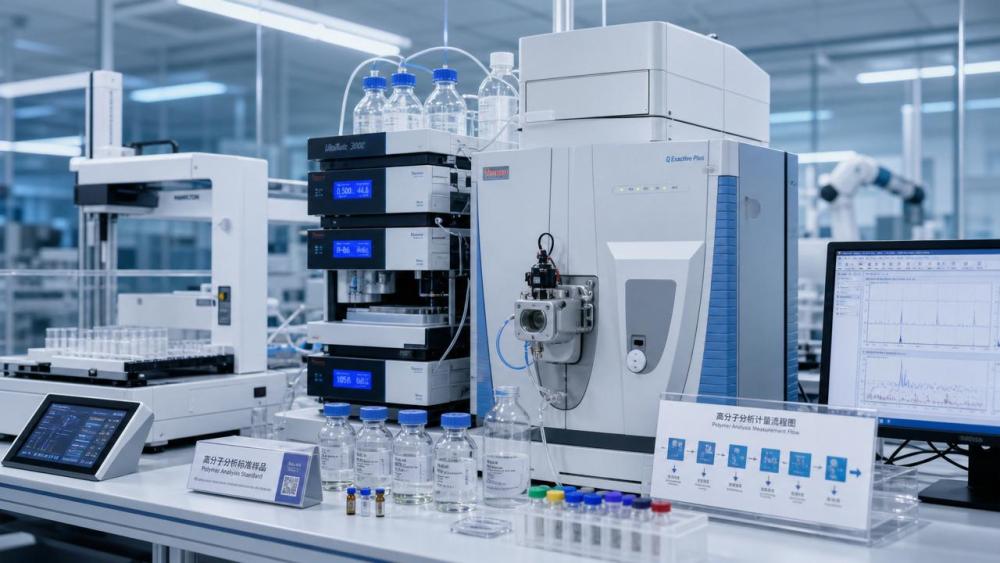
High-molecular analytical metrology refers to precise measurement of large, complex biomolecules within controlled quality systems. It supports repeatable testing, defensible results, and process understanding.
In practice, it covers proteins, antibodies, nucleic acids, viral vectors, conjugates, and other high-molecular structures. These materials often show subtle structural differences with major quality impacts.
Unlike simple chemical assays, high-molecular analytical metrology must evaluate size, charge, conformation, purity, aggregation, and degradation. Each attribute may influence efficacy, stability, or patient safety.
Within BLES-focused environments, this measurement discipline connects upstream cell culture, downstream purification, LC-MS interpretation, and automated sample handling. It turns scattered data into a coherent quality story.
Common technologies include SEC, CE, DLS, LC-MS, AUC, MALS, and advanced spectroscopy. The right method depends on the molecule, workflow maturity, and regulatory expectations.
The core value is not only sensitivity. It is measurement confidence under validated conditions, with traceable methods, documented controls, and reproducible outputs across instruments and sites.
Why is high-molecular analytical metrology now critical for quality control?
Biopharmaceutical products are increasingly complex. Monoclonal antibodies, CGT materials, and recombinant proteins demand more than pass or fail testing. They require molecular-level evidence of consistency.
High-molecular analytical metrology helps detect aggregation, fragmentation, glycan shifts, and charge variants before they become batch release failures. Early visibility lowers rework and investigation burdens.
It also supports data integrity. When methods are qualified and systems are controlled, results become easier to audit, compare, and defend during GMP review.
This matters across the full laboratory chain. Sample preparation, environmental controls, liquid handling precision, and software records all influence whether analytical data can be trusted.
For global operations, standardized high-molecular analytical metrology reduces transfer risk between development labs, pilot facilities, and commercial QC sites. That consistency accelerates scale-up confidence.
It also aligns with the BLES mission of linking microscopic process dynamics with strict compliance demands. Reliable metrology turns complex science into actionable operational control.
Which applications benefit most from high-molecular analytical metrology?
The strongest value appears where molecular complexity and regulatory scrutiny are both high. Bioprocessing, purification, and final release testing are obvious examples.
In upstream development, high-molecular analytical metrology compares product quality across media, feeds, clones, and bioreactor settings. Small process changes can reshape product attributes.
In downstream purification, it verifies whether centrifugation, filtration, and chromatography remove impurities without damaging target molecules. This is crucial for yield and purity balance.
In analytical development, it strengthens method bridging between R&D and QC. Transfer-ready methods reduce delays when moving from exploratory studies to validated release environments.
In safety-sensitive settings, it helps confirm structural stability during storage, shipping, and handling. That includes freeze-thaw studies, stress testing, and shelf-life evaluation.
Automated liquid handling further expands value. Better pipetting reproducibility improves sample integrity, reduces operator variability, and supports high-throughput molecular characterization.
- Monoclonal antibody comparability studies
- Viral vector and plasmid quality assessment
- Protein aggregation monitoring during storage
- Purification step performance verification
- Method transfer and multi-site data alignment
How should high-molecular analytical metrology methods be selected and compared?
Method selection should begin with the quality attribute that matters most. A method is useful only when it answers a clear product or compliance question.
If aggregate detection is the priority, SEC or MALS may be suitable. If charge heterogeneity matters, CE-based approaches may offer better insight.
For detailed identity and modification analysis, LC-MS remains powerful. However, it often requires stronger expertise, stricter sample handling, and greater data review discipline.
Selection should also consider throughput, method robustness, maintenance demands, software traceability, and fit with existing GMP documentation systems.
A practical comparison framework can help teams avoid overbuying or under-specifying analytical capability.
The best high-molecular analytical metrology strategy often combines orthogonal methods. One technique rarely captures every risk relevant to quality control.
What implementation risks and misconceptions should be avoided?
A common mistake is equating advanced instruments with guaranteed data quality. High-molecular analytical metrology fails when sample handling, calibration, and method controls are weak.
Another misconception is that one validated method is enough forever. Molecules evolve, process conditions shift, and regulatory expectations tighten over time.
Data review is another risk point. Large datasets from LC-MS or automated platforms require controlled workflows, audit trails, and defined review responsibility.
Transfer between sites also creates hidden issues. Differences in columns, software versions, environmental conditions, and operator training can distort comparability.
To reduce failure risk, build implementation around lifecycle thinking rather than instrument installation alone.
- Define critical quality attributes first.
- Match each attribute with a fit-for-purpose method.
- Control sample preparation and chain of custody.
- Validate software, records, and audit trail behavior.
- Review method performance after transfer or scale-up.
This approach supports the dual goal emphasized by BLES: absolute data integrity and seamless process scale-up across life science operations.
What costs, timelines, and readiness factors matter before adoption?
High-molecular analytical metrology should be assessed as a system investment, not only an equipment purchase. True cost includes validation, training, consumables, maintenance, and data infrastructure.
Implementation time varies by method complexity. A routine SEC workflow may stabilize quickly, while LC-MS integration often requires longer setup and stronger cross-functional coordination.
Readiness depends on three areas: technical capability, quality documentation, and digital governance. Weakness in any area slows reliable deployment.
When adoption is planned carefully, high-molecular analytical metrology can lower deviation rates, improve batch confidence, and support faster regulatory response.
FAQ: how can high-molecular analytical metrology decisions be simplified?
High-molecular analytical metrology is no longer optional in advanced QC workflows. It is a practical foundation for consistency, traceability, and audit-ready science.
The most effective path starts with critical attributes, then aligns methods, automation, data controls, and lifecycle review. That sequence reduces risk and improves measurable value.
For organizations navigating bioprocessing, purification, LC-MS integration, or laboratory automation, a structured high-molecular analytical metrology roadmap can strengthen both compliance and operational confidence.
Use this framework to review current QC gaps, compare analytical priorities, and define the next metrology upgrade with clear technical and regulatory objectives.
Related News
- What CSV documentation should a laboratory systems supplier provide?Oct 26, 2026Dr. Elara Sterling
- GenScript ProBio’s Nanjing Biologics Facility Passes NMPA Pre-Approval InspectionOct 22, 2026Dr. Elara Sterling
- How to assess audit trails in analytical data integrity solutionsOct 16, 2026Dr. Elara Sterling
- How user licensing affects laboratory validation system pricingOct 14, 2026Dr. Elara Sterling
Related News
- 00
0000-00
What CSV documentation should a laboratory systems supplier provide? - 00
0000-00
SCIEX Begins Construction of High-End Mass Spectrometer Plant in Beijing - 00
0000-00
Which design features make cleanroom benches easier to clean? - 00
0000-00
IndexBox Forecasts 12% CAGR for Global Microbioreactor Market Through 2035 - 00
0000-00
When do hazardous compound labs need isolators for containment?
Dr. Elara Sterling
Weekly Insights
Stay ahead with our curated technology reports delivered every Monday.